
Leading Tools for Tree Trimming Tasks You Can Trust
Explore top-rated tools designed to make tree trimming safer, easier, and more efficient for both professionals and homeowners.
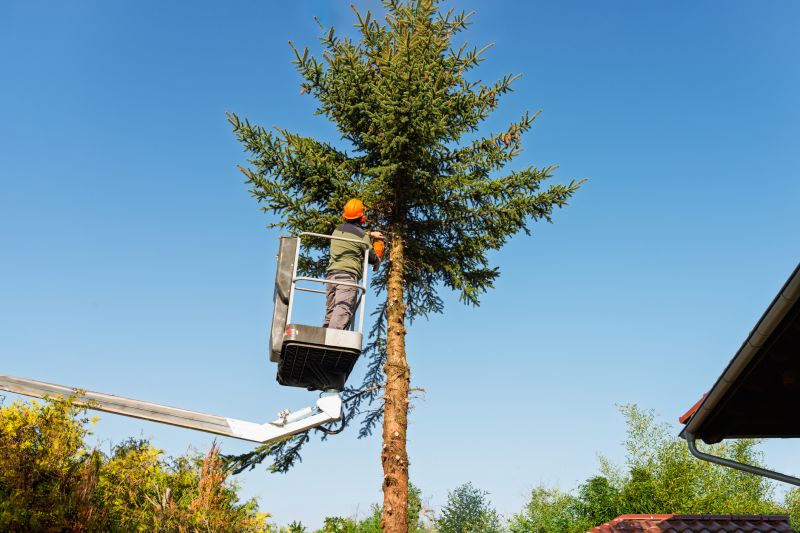 Tree trimmings are a common part of seasonal yard maintenance and holiday decorations, requiring appropriate tools and products to ensure safety and efficiency. From trimming live trees to preparing branches for decoration or disposal, selecting the right products can make the process smoother and more manageable. Whether trimming a few branches or handling larger limbs, having the proper equipment helps maintain safety standards and reduces physical strain.
Top Overall Option
Multi-Function Tree Trimming Kit
A comprehensive trimming kit that includes various hand tools, safety gear, and disposal accessories designed to handle a wide range of tree trimming tasks. It offers versatility and convenience for homeowners and landscapers alike, enabling efficient and safe trimming of branches of different sizes. The kit typically features ergonomic handles, sharp blades, and durable construction to support repeated use.
Types of Products For Tree Trimmings
Hand Pruning Shears
Ideal for precise trimming of small branches and twigs, offering control and ease of use.
Lopping Shears
Designed for cutting medium-sized branches with extended handles for added reach.
Pole Pruners
Allow trimming of high or hard-to-reach branches without the need for ladders.
Electric Chainsaws
Provide efficient cutting power for larger limbs and thicker branches, suitable for more extensive trimming projects.
Manual Hand Saws
Suitable for detailed cuts and smaller branches, offering portability and precision.
Reciprocating Saws
Versatile power tools capable of handling various pruning and trimming tasks with different blades.
Tree Climbing Gear
Includes harnesses, spikes, and safety ropes for professional or serious hobbyist tree trimming.
Disposal Bags and Tarps
Help collect and transport trimmings efficiently, keeping the work area tidy.
Branch Collars and Connectors
Assist in managing branch separation and disposal after trimming.
Safety Gloves
Protect hands from cuts, splinters, and abrasions during trimming tasks.
Protective Goggles
Shield eyes from flying debris and wood chips.
Ladders and Step Stools
Provide stable access to higher branches for safe trimming.
Tree Disposal Chippers
Transform large branches into mulch or chips for easy disposal or garden use.
Tree Wraps and Protectors
Prevent damage to the trunk during trimming or other maintenance activities.
String and Twine
Assist in bundling or securing trimmings for removal.
Garden Shears
Useful for trimming smaller foliage and decorative branches.
Battery-Powered Trimmers
Offer cordless convenience with variable speed settings for different trimming needs.
Popular Choices
Widely used for small branch trimming and shaping plants.
Popular for reaching high branches safely and efficiently.
Preferred for their portability and ease of use on larger limbs.
Trusted for durability and precision in trimming tasks.
Essential protective gear that sees frequent use during trimming activities.
Convenient for collecting and transporting trimmings after pruning.
Popular for providing stable access to higher branches.
Favored for their cordless operation and versatility.
Reliable for trimming thicker branches with control.
Commonly used for turning branches into mulch or chips.
Frequently chosen to protect trunks during trimming and pruning.
Popular among professional arborists and serious hobbyists.
Useful for bundling trimmings or securing branches.
Commonly used for quick and safe access to mid-height branches.
Helpful for managing branch separation and disposal.
Popular for transforming large branches into usable mulch.
Various tools are designed to cater to different needs, including manual pruners, electric trimmers, saws, and disposal accessories. Each type offers unique advantages depending on the size of the branches, the frequency of use, and the specific tasks involved. For instance, handheld pruning shears are suitable for delicate trimming, while powered saws are better suited for larger limbs. Proper storage and disposal products also play a role in managing tree trimmings efficiently.
Safety should always be a priority when working with tree trimmings. Using protective gear such as gloves, goggles, and helmets can prevent injuries. Additionally, selecting tools with ergonomic handles and safety features can reduce fatigue and minimize accidental slips. Proper technique and awareness of the tree’s structure help prevent damage to the tree and surrounding landscape.
Overall, investing in quality products for tree trimmings can facilitate a safer and more effective trimming process. Understanding the range of available tools and accessories ensures that you can choose the right equipment for your specific needs, whether for casual yard maintenance or more extensive pruning projects. Properly managing tree trimmings not only keeps your yard tidy but also promotes healthy growth for your trees.
Key Buying Considerations
- Identify the size and type of branches you need to trim to select appropriate tools.
- Consider the frequency of use to determine whether manual or powered equipment is suitable.
- Evaluate safety features such as blade guards, safety switches, and ergonomic handles.
- Assess the reach needed; extendable tools can help access high branches without ladders.
- Check for comfortable grips and lightweight designs to reduce fatigue during extended use.
- Ensure compatibility of blades and attachments for versatility across different trimming tasks.
- Look for durable materials that can withstand regular use and exposure to outdoor elements.
- Consider storage options for organizing tools and accessories when not in use.
- Review safety gear requirements to protect yourself during trimming activities.
- Estimate the disposal method for trimmings, whether through bags, chippers, or mulchers.
- Factor in budget constraints while balancing quality and features.
- Verify if the tools are suitable for the types of trees and branches in your yard.
- Think about ease of maintenance and availability of replacement parts or blades.
- Assess the noise levels if working in noise-sensitive areas or during specific hours.
- Determine whether additional accessories like ladders or harnesses are needed for safety.